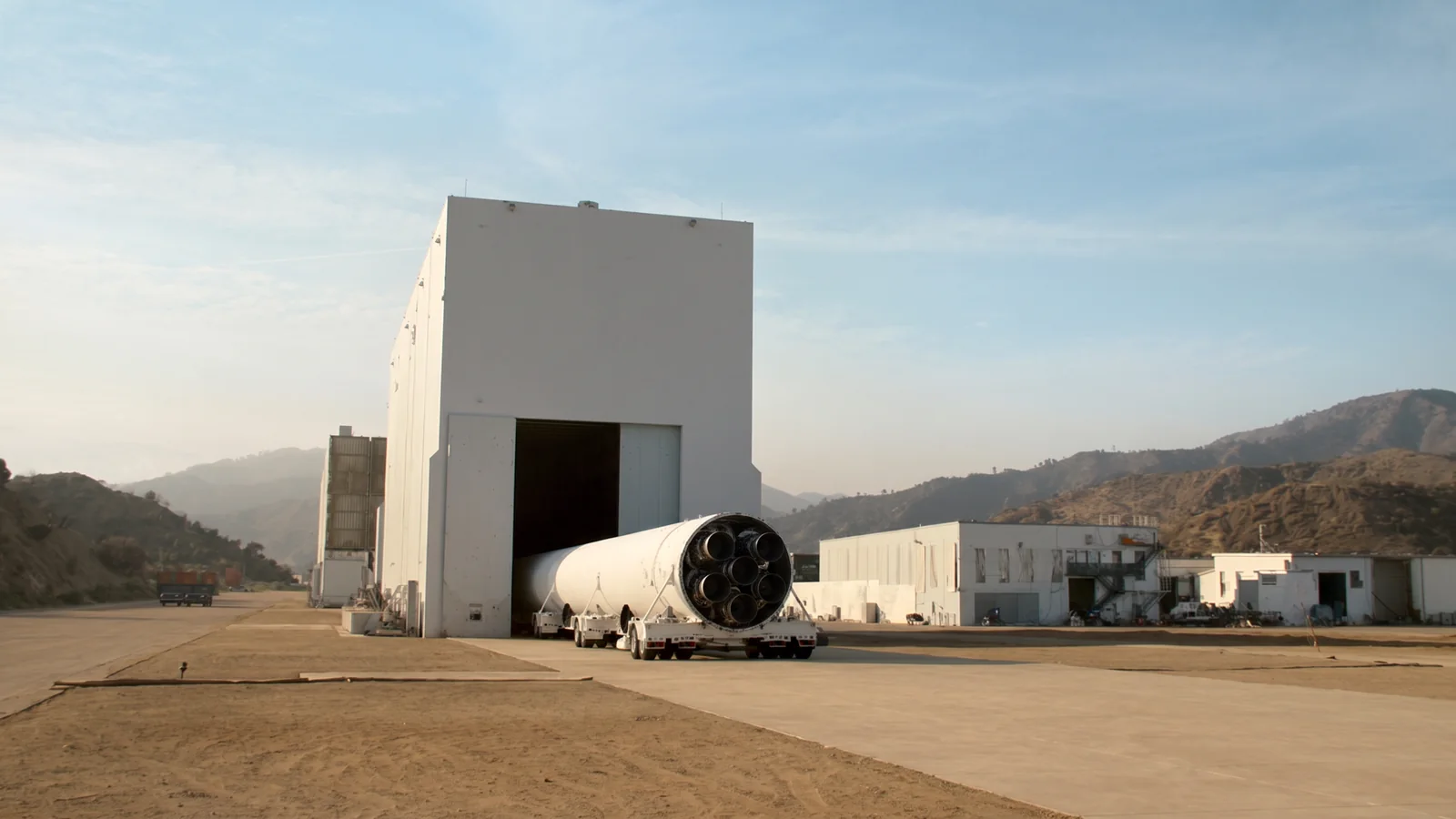
What is vertical integration?
Vertical integration means a company owns a stage it used to buy. SpaceX shows what that changes, and what it does not.
Vertical integration examples: SpaceX, BYD, Anduril, Harper, OffDeal, AllDigital and a steel factory, with posts on what AI-native means and what to own.
Vertical integration means a company owns a stage it used to buy. SpaceX shows what that changes, and what it does not.
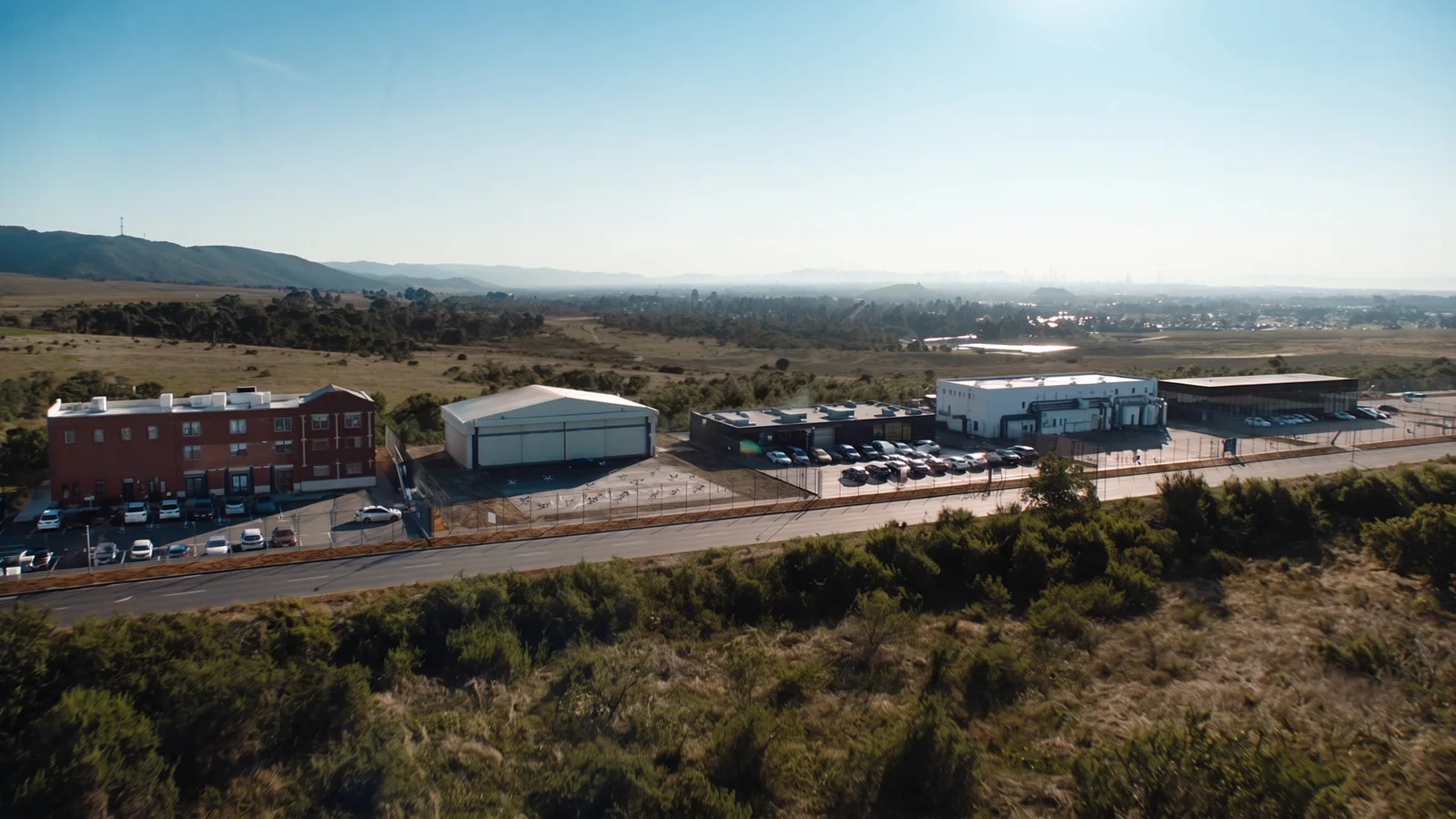
Six AI-native company examples, from an insurance broker to a carmaker, and what each one does differently from a competitor that buys its tools.
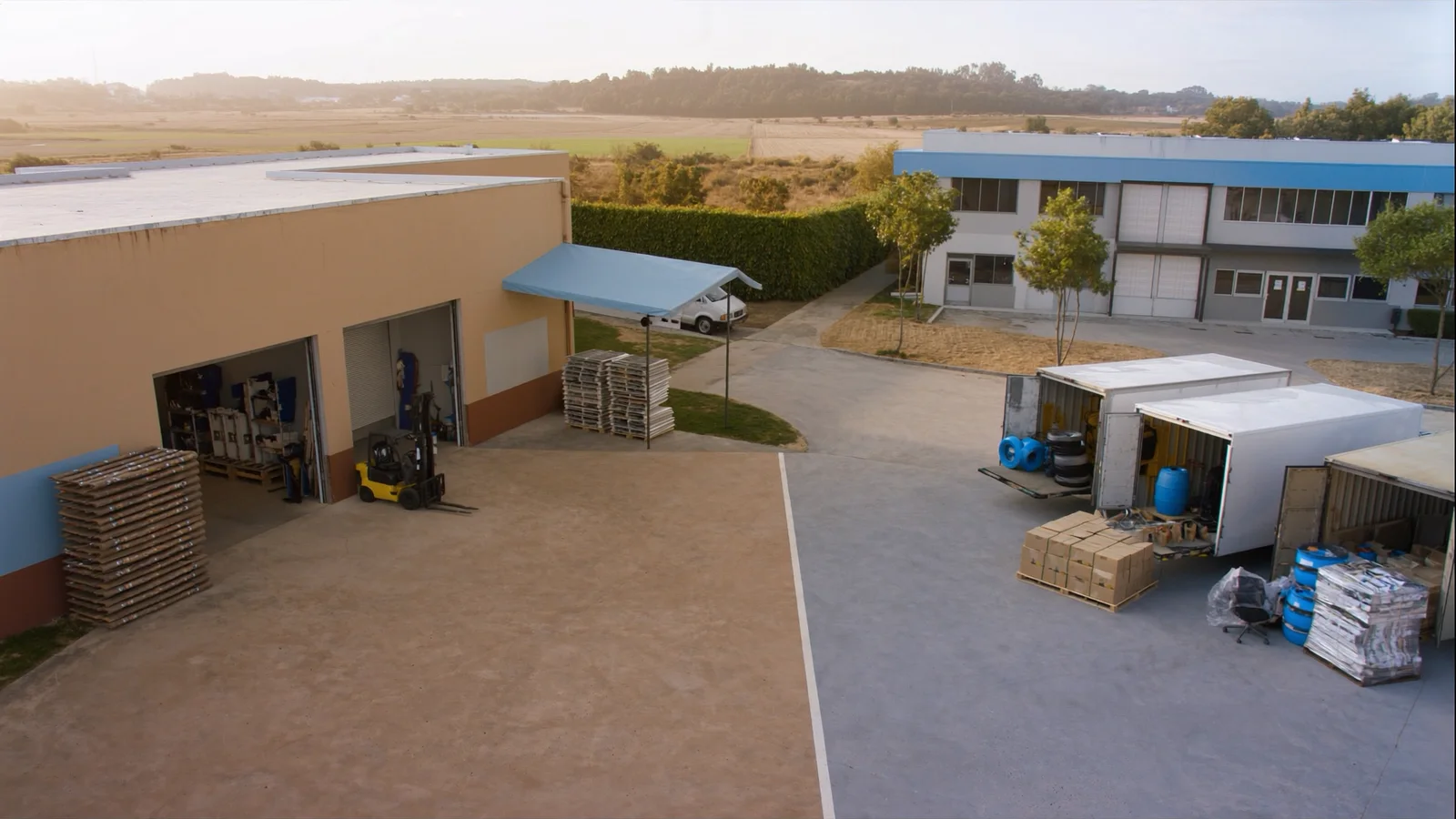
AI made building software cheap enough that companies now build what they used to buy, and four questions decide which capabilities to own.

An AI-native company is designed around AI in how it works and in what it sells, with a test you can apply to any function and the research behind it.
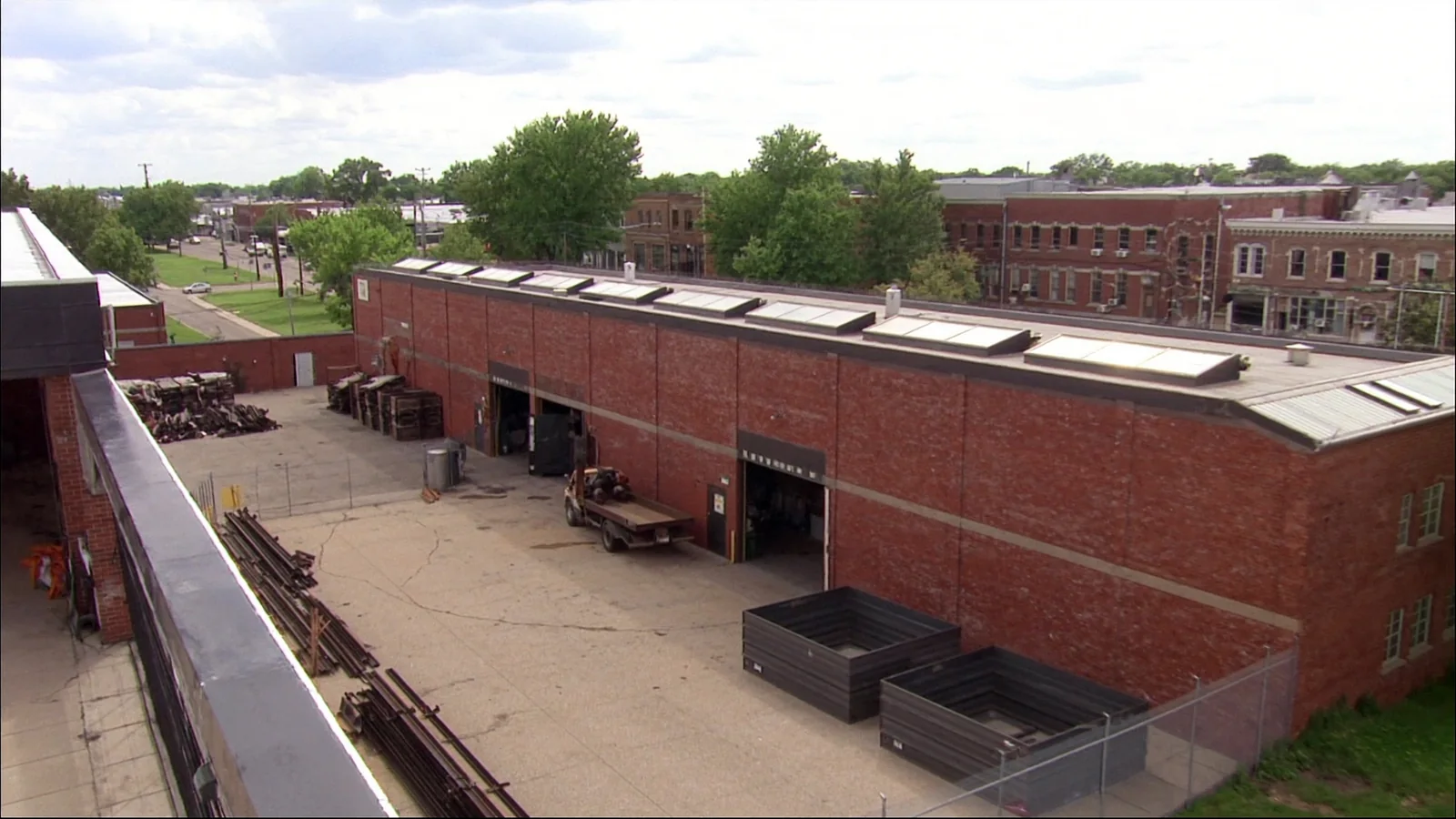
1872 did not sell factory software to fabricators; it opened its own steel shop in Cincinnati.
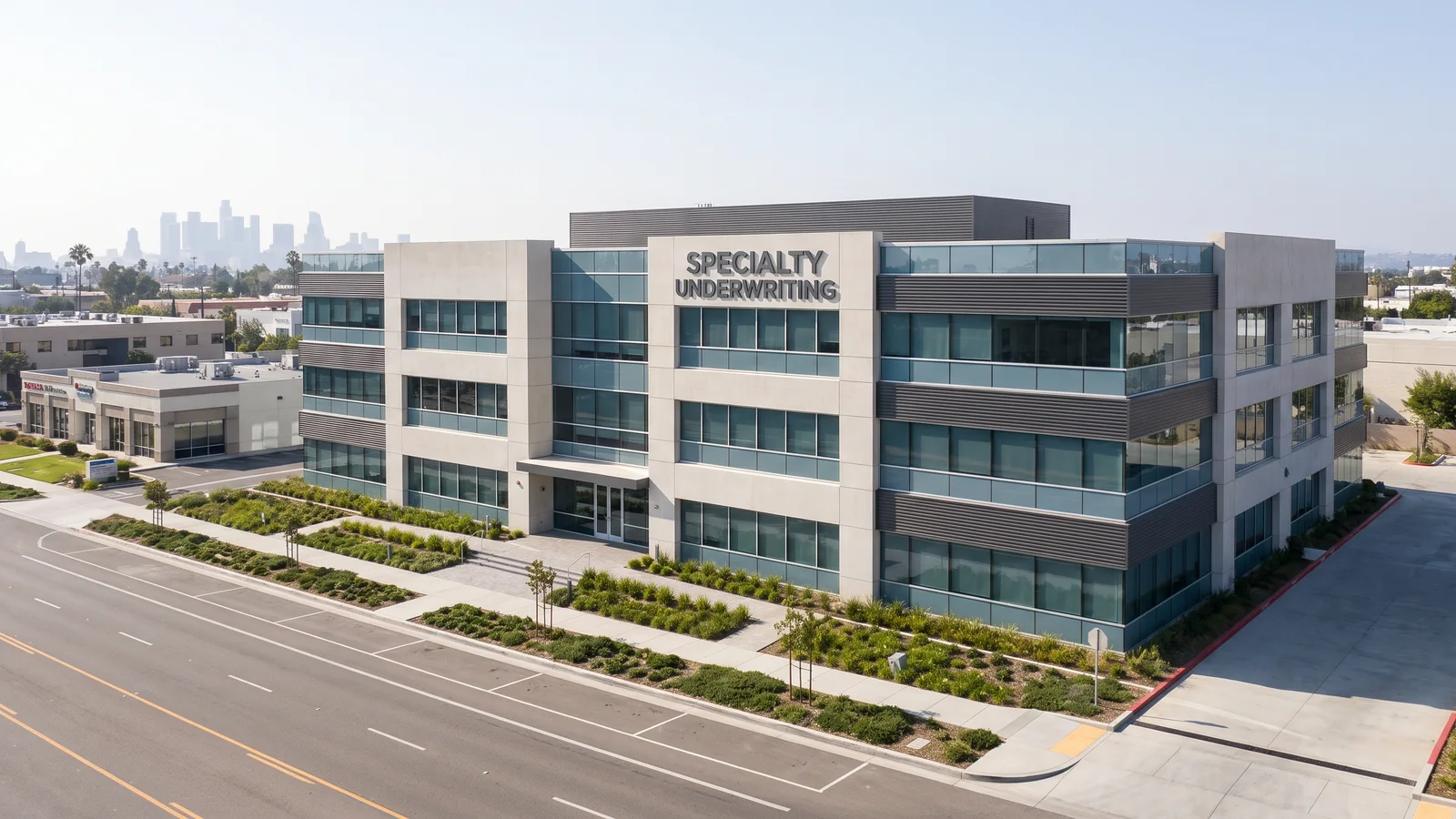
AllDigital is an AI-first managing general agent, not a broker tool: about 70% of submissions are decided without a human.

Anduril builds on its own capital, owns Lattice and the hardware it runs, and sells off-the-shelf products instead of cost-plus contracts.
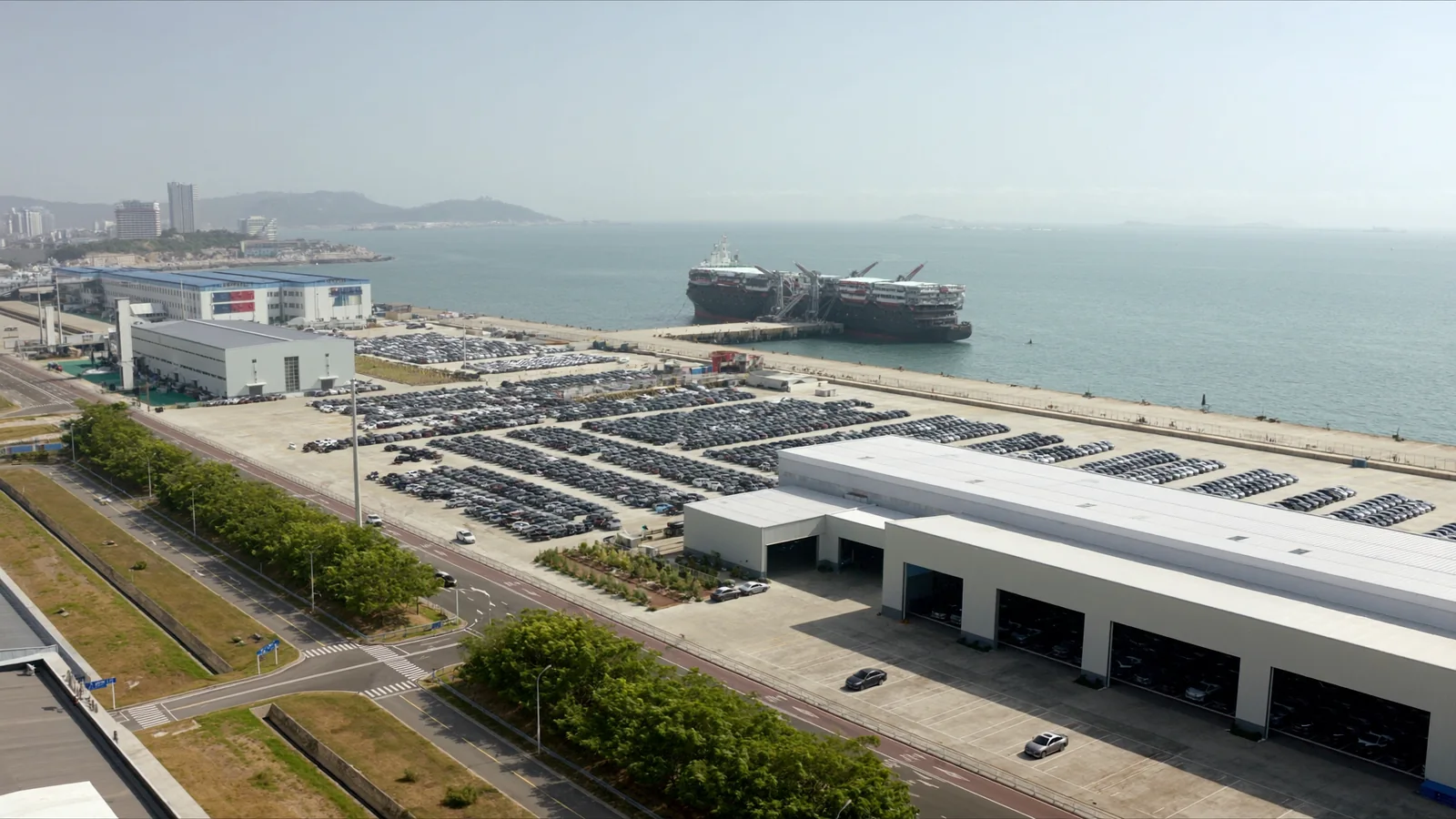
BYD makes most of a Seal in-house, about 75% in a 2023 teardown, and in 2026 it builds its own driving chip.

Harper did not sell software to brokers; it became the broker, with about $47 million raised and more than 160 carriers.
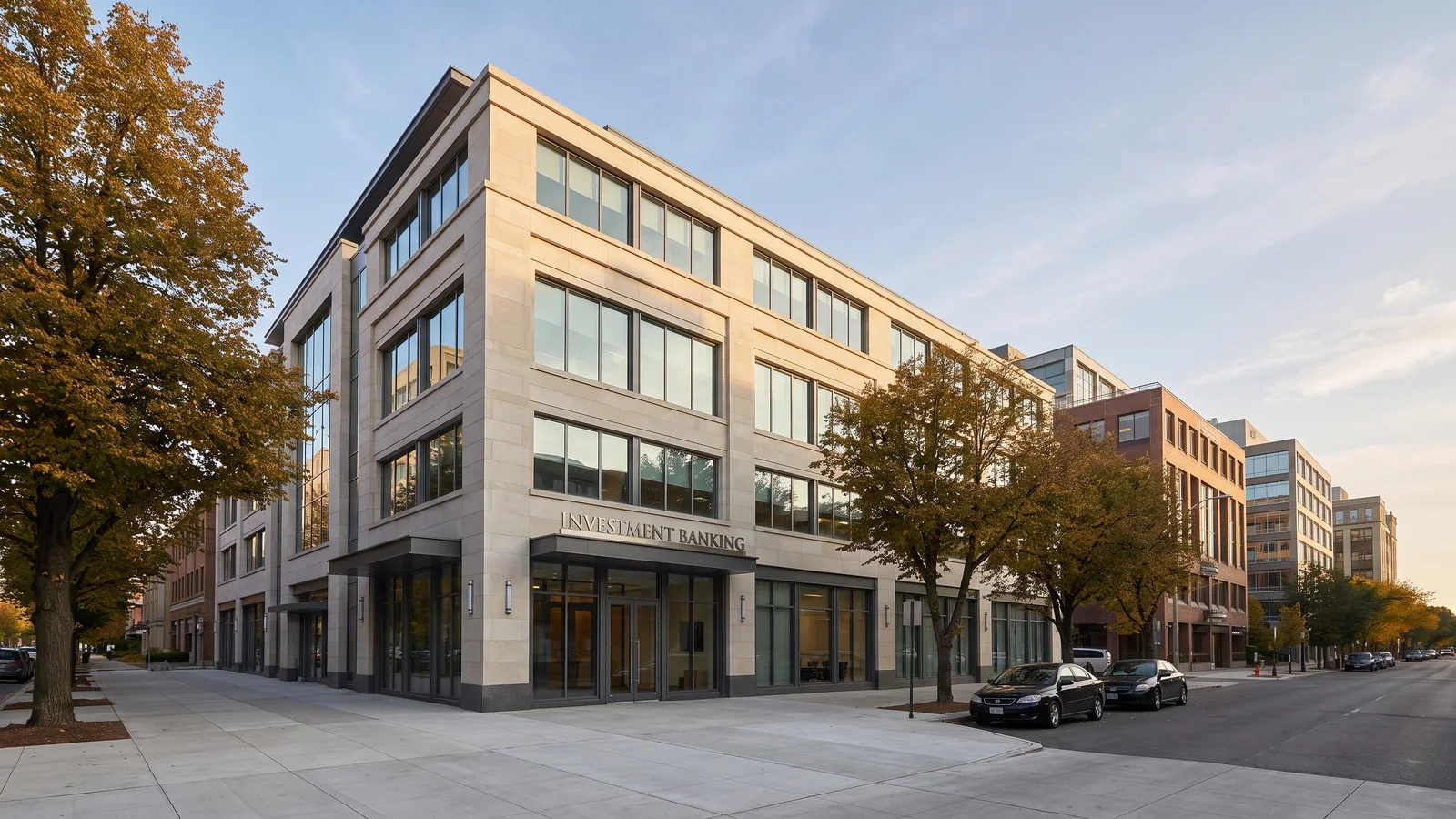
OffDeal did not sell software to Goldman; it became a bank for businesses with $1 to $10 million of EBITDA.
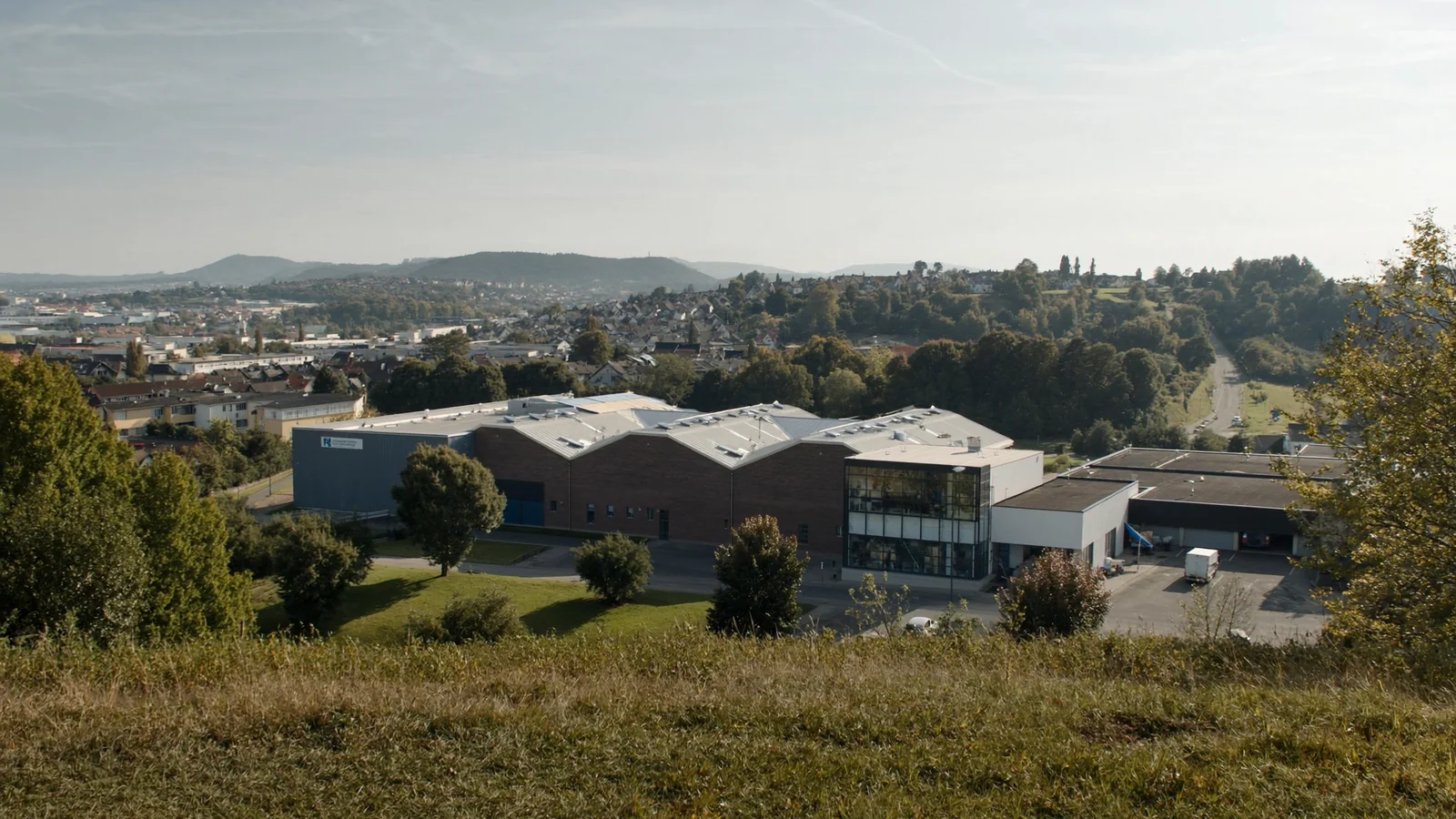
Vertical integration used to take the scale of a Tesla. AI lowers that bar, so a mid-sized company can now build what its business depends on.